


If you’ve ever dreamed of waking up to new sales notifications without lifting a finger, building passive income with subscription products might be exactly what you need. In today’s digital economy, more and more creators, freelancers, and everyday side hustlers are generating recurring revenue by offering simple, value-packed subscription products online. You don’t need a big audience, expensive tools, or even technical skills to get started. All you really need is a problem-solving idea, a platform to host it, and the willingness to deliver consistent value each month.
From Canva templates to niche newsletters and monthly prompt packs for ChatGPT, there’s no shortage of ways to turn your skills or hobbies into a reliable monthly income stream. Subscription-based digital products offer the unique advantage of predictability—once a customer subscribes, you get paid regularly without needing to constantly chase new buyers. This guide will walk you through how to create a subscription product from scratch, what tools to use, and how to grow your audience without breaking the bank.
Why Subscription Products Work
Subscription-based products are one of the most powerful ways to generate passive income online because they create a predictable, recurring revenue stream. Instead of chasing one-time sales, you build a system where your income compounds month after month. Whether you’re offering digital templates, exclusive content, private communities, or curated resources, the key is delivering ongoing value that keeps people subscribed.
Here’s why this model works so well:
- Recurring revenue = stability. With a subscription model, you know how much money is coming in each month. That consistency gives you room to plan, invest, and grow your business.
- Low startup costs. Many subscription products—especially digital ones like email newsletters or Canva templates—require little to no upfront investment. You can start from scratch using just free tools and your existing knowledge.
- Scalable income. You create a piece of content once and deliver it to hundreds or even thousands of subscribers. Your income isn’t tied to how many hours you work.
- Higher customer lifetime value. One subscriber might stay with you for months or even years, providing significantly more value than a one-time buyer.
- Stronger customer relationships. Subscription models create more touchpoints with your audience. You’re not just making a sale—you’re building trust, community, and long-term engagement.
Unlike traditional digital product sales, which end after the purchase, a subscription product invites your audience into an ongoing journey. That connection is what turns casual buyers into loyal supporters—and loyal supporters into sustainable income.
Great Beginner-Friendly Subscription Ideas
The beauty of building a subscription-based income stream is that you don’t need to be a tech genius or have a huge online following to get started. In fact, some of the best passive income ideas are simple, creative, and require nothing more than your knowledge and a few free tools. The key is choosing a format that lets you consistently deliver value—without burning out.
Here are some beginner-friendly subscription product ideas that are both profitable and easy to manage:
- Digital Templates or Printables
- Design planners, budgeting sheets, Notion dashboards, or resume templates. Upload new designs monthly, and your subscribers will keep coming back for fresh content.
- Newsletter Subscriptions
- If you enjoy writing or curating information, launch a paid weekly or monthly newsletter. Share tips, industry updates, curated tools, or personal insights. Platforms like Substack make it super simple to get started.
- Premium Tutorials or Micro-Courses
- Break down your skills—writing, budgeting, Canva design, coding—into short, actionable lessons. Release new modules or tips every month, and your subscribers will look forward to each update.
- AI Prompt Packs
- With tools like ChatGPT and Midjourney on the rise, there’s a growing demand for curated prompt packs. Provide monthly collections for creators, writers, marketers, or designers using AI tools.
- Stock Photos or Design Asset Packs
- Photographers and designers can deliver themed image packs, icons, or social media graphics on a monthly basis. Bloggers and content creators love this kind of fresh content.
You can even combine these formats to boost value. For example, a Canva template subscription could also include tutorial videos and a private email newsletter. Mixing formats makes your offer more dynamic and increases subscriber retention.
If you’re still unsure where to begin, think about what people ask you for help with. That’s usually a good indicator of what you can package into a digital product that sells.
Step-by-Step: How to Launch a Subscription Product
Starting your own subscription-based digital product may sound overwhelming, but breaking it into manageable steps makes it totally doable—even for beginners. Whether you’re offering templates, email content, or exclusive tutorials, the goal is to create a product that delivers ongoing value. Here’s how to do it from scratch:
1. Pick a Niche You Understand
The first step in launching a successful subscription product is choosing a niche you’re comfortable with. This doesn’t mean you have to be an expert—it just means picking a topic you’re passionate about or have experience with. Maybe you’re great at budgeting, designing on Canva, or organizing workflows with Notion.
When you choose a niche you already understand, it becomes much easier to create valuable content your audience will pay for month after month. Plus, it positions you as someone trustworthy within that space.
Focus Keyword Tip: Think in terms of “best subscription product ideas for beginners” or “profitable niches for subscription products.”
2. Create a Starter Pack
Before announcing your subscription to the world, put together a high-quality “starter pack.” This is the first set of content new subscribers will receive, and it helps make a strong first impression. It also gives you a head start while you work on the next month’s material.
For example:
- A set of 10 social media templates
- A curated list of productivity tools with descriptions
- 3 video tutorials teaching a basic skill
- A digital budget planner
Having your subscription content prepped in advance increases retention and builds immediate trust. People are more likely to stay subscribed when they feel they’ve received real value right away.
3. Choose a Platform
You don’t need custom coding or a fancy website to launch. Here are beginner-friendly platforms that help you manage content, payments, and communication easily:
- Gumroad– Perfect for selling memberships, downloads, and access to exclusive content.
- Substack – Ideal for paid newsletters and recurring content via email.
- Podia – Great for packaging courses, downloads, and community access in one place.
- MailerLite – If you’re focused on email delivery with gated content, this is a powerful and free tool to start with.
Each of these platforms helps automate the backend so you can focus on creating great content instead of managing tech.
4. Set a Monthly Price
Pricing your subscription product is one of the most important—and most intimidating—decisions you’ll make. The good news? You don’t need to get it perfect right away. Think of your first pricing tier as a test, something you can refine as you grow.
For beginners, the sweet spot is usually between $5 and $15 per month. At this range, it’s affordable enough for subscribers to take a chance on you, but high enough that your income can scale as your subscriber base grows. If you’re offering something more premium, like hands-on coaching, exclusive video lessons, or specialized industry insights, you might consider $20–$30/month or higher.
Pro Tip: Always offer a discounted annual plan. This not only boosts your upfront earnings but also increases the likelihood of long-term subscribers who stick around and reduce churn.
Before finalizing your price, ask:
- How much value am I offering each month?
- Would I pay this amount for the same offer?
- What are others in my niche charging?
You can also get feedback from a small test group or beta subscribers. This gives you real-world input without the pressure of launching to a large audience.
Above all, remember this: pricing reflects value. If you’re confident in what you’re delivering, don’t be afraid to charge accordingly. Undervaluing your work might attract a few customers, but it won’t help you build a sustainable, profitable business.
You don’t need a massive following to launch a successful subscription product — but you do need an audience that trusts you. That’s where building an email list comes in.
Start by creating a lead magnet — a free resource that solves a small, specific problem your target audience has. It could be a free budgeting worksheet, a sample template, a mini video lesson, or a short eBook. When people sign up to receive your freebie, they join your email list — and that’s your launchpad.
Once they’re on your list, you can introduce your subscription product through a welcome email sequence. Start by delivering the freebie, then follow up with valuable tips, behind-the-scenes content, or early-bird access to your subscription. Keep it casual and helpful — not salesy.
This strategy:
- Builds trust before you pitch
- Shows potential customers the value you offer
- Warms up cold leads and increases conversions
Don’t worry if your list is small at first — even 10 subscribers can lead to your first paid customers. What matters is that your messaging is clear and the value of your offer is strong.
To simplify your launch, use tools like:
- MailerLite (great for automation and free plans)
- ConvertKit (built for creators)
- Substack (perfect for newsletters with paid tiers)
Launching to a warm email list means you’re not shouting into the void — you’re speaking directly to people who already said “yes” to your content.
Tips for Growing Your Subscriber Base
-
Getting your first few subscribers is exciting — but growing a consistent base is where the real income starts to build. Fortunately, you don’t need to spend a fortune on ads or be famous on social media to grow your subscription income.
Start by focusing on free traffic channels that align with your content. Platforms like Pinterest are perfect for promoting digital templates, planners, or courses. Use eye-catching pins and link them directly to your subscription landing page or freebie offer. Medium and Reddit can also drive highly targeted visitors — especially if you’re in a niche like productivity, finance, or design.
If you already have a blog, use it strategically. Write SEO-optimized posts that solve real problems and include calls-to-action to your email list or subscription page. Not only does this build organic traffic, but it also helps establish trust — which is key for converting readers into paying subscribers.
Here are more practical strategies to grow your digital product subscriber base:
-
Offerlimited-time free trials or launch discounts to encourage early signups.
-
Share screenshots or previews of what members get each month to create curiosity.
-
Use a countdown timer on your sales page to add urgency.
-
Run small giveaways that require email sign-up as entry.
-
Set up a referral program — give a reward to anyone who brings in a new subscriber.
One underrated but powerful strategy is to simply ask for feedback. When people feel heard and involved, they’re more likely to stick around. You can use short email surveys or polls to find out what they want more of — then build your future content around it.
Above all, consistency is the secret. Whether it’s new content every Monday or a monthly drop, make sure your subscribers know what to expect. When people see consistent value, they stay — and your recurring revenue grows.
-
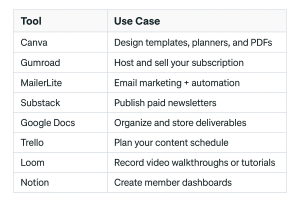
Tools You’ll Need to Succeed
Recommended: How to Make Money with AI Tools as a Beginner
Building a subscription-based income stream is one of the smartest and most sustainable ways to earn passive income online. Unlike one-off sales that require constant chasing of new customers, subscription products create recurring revenue, giving you more stability and financial predictability month after month. Whether you’re offering digital templates, paid newsletters, or access to exclusive content, you’re building a system that rewards consistency and delivers real value to your audience.
The beauty of starting a subscription business is that you don’t need to be an expert, influencer, or tech wizard. With tools like Gumroad, Substack, or MailerLite, you can start small, keep your overhead low, and grow organically. Even if you’re just beginning your journey to make money online, launching a low-cost subscription product is a beginner-friendly way to create income that compounds over time.
Remember: the secret to long-term success in the subscription model is consistency, value, and audience connection. Focus on helping your subscribers solve a problem, stay inspired, or learn something new — and they’ll stick around. Over time, that $5, $10, or $20 a month from each subscriber can add up to a serious income stream.
If you’re serious about generating passive income online, building a subscription product for beginners is a powerful place to start. Turn your knowledge, skills, or creativity into a monthly offer people look forward to — and watch your digital income grow.


